
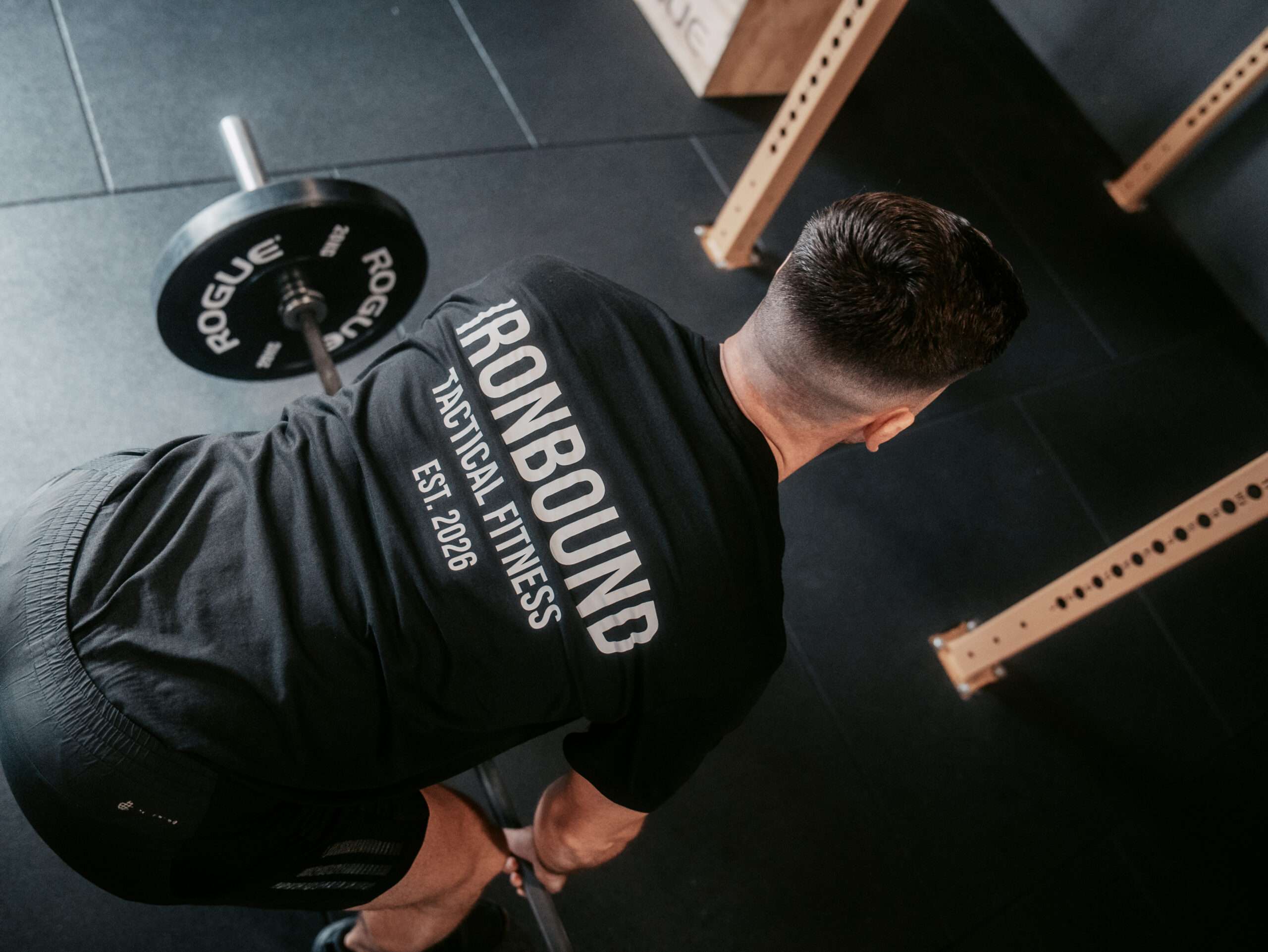

Training Like a Response Athlete: Fitness for Unpredictable Schedules
A response athlete — police officer, firefighter, EMS professional — doesn't train for a season. There's no defined competition to peak for, no predictable recovery window. The call comes when it comes, and the training has to account for that reality instead of ignoring it.
The mistake most response athletes make
The instinct is to train like a bodybuilder: 6–7 days a week, high volume, chasing soreness as proof of progress. On top of shift work, disrupted sleep, and operational stress, that approach doesn't build resilience — it digs a deeper recovery hole. The issue isn't effort. It's misdirected effort.
Train the minimum effective dose
Response Athlete Coach Lewis Glennan — a former police officer himself — built his entire coaching approach around this idea: the priority isn't doing more, it's doing enough. You're not trying to maximize adaptation. You're trying to maintain strength, power, and conditioning without adding fatigue you can't recover from.
A structure that fits 30–45 minutes
When time and recovery are both limited, this covers strength, structural balance, and work capacity without overreaching:
- **One primary compound lift** — a deadlift or squat variation
- **Two to three supporting movements** — targeting structural balance and injury prevention
- **6–10 minutes of sharp conditioning** — sprints, bike intervals, or loaded carries
That's the full session. No filler work, no chasing extra volume because the clock allows it.
Respect the stress, don't ignore it
Training has to be strategic around shift work — not scaled up to compensate for it. If your body is already carrying fatigue from irregular sleep and operational stress, layering high-volume training on top doesn't make you more prepared. It makes you more depleted on the day it actually matters.
Consistency, not volume, is what determines whether you're ready when the call comes.
Read Lewis Glennan's full interview on what separates operational readiness from gym fitness. →